


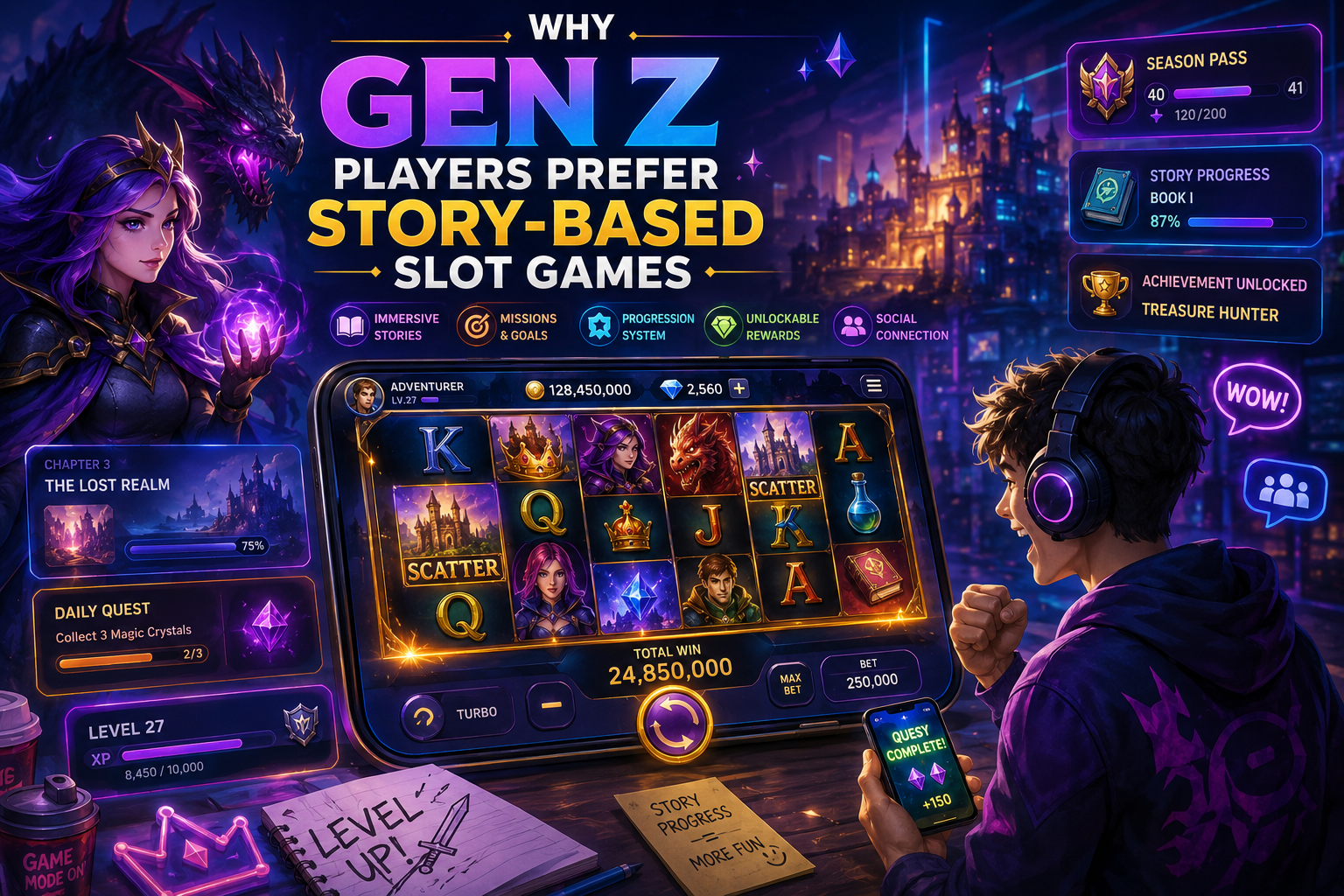
The gaming habits of younger audiences have changed dramatically over the last decade. Unlike previous generations that grew up with simple arcade experiences and traditional entertainment formats, Generation Z entered a digital world filled with interactive ecosystems, immersive storytelling, and constantly evolving gameplay experiences. Even communities discussing gaming trends across various platforms including discussions surrounding situs slot gacor recommendations and entertainment experiences often show how younger players increasingly seek deeper engagement rather than repetitive mechanics alone.
For decades, slot games followed a very simple formula. Players pressed a button, watched symbols spin, and waited for results. The experience focused mainly on luck and visual excitement. However, today’s gaming landscape is very different. Modern slot games increasingly resemble video games, introducing storylines, missions, progression systems, and character-driven experiences.
One of the biggest reasons behind this evolution is the influence of Generation Z. Their expectations differ significantly from previous audiences because they grew up surrounded by highly interactive digital environments.
Gen Z Grew Up With Interactive Entertainment
Previous generations often consumed entertainment in passive ways. Television, radio, and even early games required relatively little interaction. Gen Z experienced something completely different.
They grew up during the rise of smartphones, multiplayer gaming, streaming platforms, and online communities. From an early age, they became familiar with gaming systems involving:
- Experience points
- Character upgrades
- Unlockable content
- Daily rewards
- Story progression
- Achievement systems
As a result, entertainment became something they actively participated in rather than simply observed.
Because of this background, traditional repetitive gameplay may feel less engaging to younger audiences. Story-based slot games help close that gap by introducing mechanics commonly found in mainstream gaming experiences.
Stories Create Emotional Investment
Stories have always been one of the strongest forms of human engagement. People naturally connect with narratives because stories create emotional attachment.
Generation Z often values experiences that feel meaningful rather than purely transactional. Across movies, social media content, and video games, narratives help maintain attention and create stronger emotional involvement.
Modern developers increasingly understand this shift.
Instead of presenting isolated rounds of gameplay, many newer slot experiences now create complete worlds and environments. Players may enter fantasy kingdoms, adventure-themed settings, futuristic landscapes, or mystery-driven experiences.
The goal is no longer simply spinning and waiting.
Players become part of a larger journey.
This subtle difference changes how users interact with gameplay. Progress and achievements feel connected to a larger experience rather than isolated outcomes.
Progression Systems Matter More Than Immediate Rewards
Modern game design frequently relies on progression systems because players enjoy seeing visible growth.
Generation Z spent years playing games built around progression mechanics. Systems like levels, battle passes, skill trees, unlockables, and missions became standard expectations.
Progress creates motivation.
Even small rewards feel meaningful when users can track improvement over time.
This explains why modern slot games increasingly introduce:
- Daily challenges
- Story chapters
- Character progression
- Achievement badges
- Unlockable content
- Seasonal events
Instead of focusing exclusively on spins and outcomes, developers create multiple objectives that encourage longer engagement.
For Gen Z audiences, these systems feel natural because they mirror familiar gaming structures.
Mobile Gaming Reshaped Entertainment Expectations
The smartphone era changed entertainment habits significantly.
Gen Z grew up during a period where games became instantly accessible anywhere and at any time.
Mobile gaming introduced expectations such as:
- Fast interactions
- Personalized experiences
- Continuous updates
- Daily rewards
- Event-based content
Over time, these mechanics influenced how younger audiences evaluate games.
Static experiences may struggle to maintain long-term attention. Dynamic experiences that evolve over time often create stronger engagement.
Story-based slot games increasingly adopt these mobile-inspired systems to keep players invested.
Visual Identity Matters More Than Ever
Visual presentation strongly influences younger audiences.
Generation Z constantly interacts with highly polished content across gaming platforms, social media, and streaming services.
Older slot games often relied on basic visual designs and traditional symbols.
Modern story-driven slot games frequently introduce:
- Animated environments
- Character development
- Interactive maps
- Cinematic transitions
- Dynamic visual effects
- Personalized avatars
These features transform gameplay into experiences that feel much closer to mobile or console games.
Visual storytelling creates curiosity and encourages continued exploration.
The Future May Look More Like Gaming Than Gambling
One of the most interesting shifts in entertainment is the gradual overlap between different categories.
Modern slot games increasingly borrow ideas from RPGs, mobile gaming, adventure titles, and social experiences.
Developers understand that younger players no longer separate entertainment into rigid categories.
Instead, users focus on overall experience quality.
If something feels immersive, rewarding, interactive, and socially engaging, it naturally becomes more appealing.
Story-based experiences successfully combine these elements.
As technology continues evolving, the line between gaming and traditional slot mechanics may become increasingly difficult to distinguish.
Social Features Are Becoming More Important for Younger Players
Another major factor behind Gen Z behavior is the importance of social interaction in entertainment. Unlike older generations that often viewed games as solo activities, younger players frequently experience gaming as a shared environment. Communities, live streams, online discussions, and social platforms have become deeply connected to how entertainment is consumed today.
Many younger users discover games through creators, gaming clips, short-form videos, and online recommendations rather than traditional advertisements. They also enjoy discussing hidden features, sharing achievements, and comparing experiences with others.
Story-based games naturally encourage these interactions because they create topics beyond gameplay itself. Players can talk about characters, future updates, story progression, theories, and unlockable content. This creates stronger long-term engagement because the experience continues even after someone stops playing.
Developers increasingly understand that modern audiences are not simply looking for gameplay mechanics. They are looking for experiences that feel alive, connected, and continuously evolving.
Why This Trend Is Only Getting Bigger
The shift toward story-based slot experiences may still be in its early stages. As technology continues to evolve, younger audiences will likely expect even more interactive features in digital entertainment. Artificial intelligence, personalized experiences, virtual environments, and adaptive storytelling could further blur the line between gaming and traditional slot mechanics.
Generation Z grew up expecting entertainment to respond to them, evolve with them, and create a sense of participation. Static experiences increasingly struggle to compete with dynamic systems that provide progress and emotional engagement.
For that reason, story-driven slot games are not simply following a temporary trend. They represent a broader change in how younger audiences interact with digital entertainment itself. The future may not belong to games that only provide outcomes—it may belong to experiences that create journeys.
Personalization Is Becoming a Key Part of Player Experience
Modern players increasingly expect experiences that feel tailored to their interests and preferences. Generation Z has grown up using platforms that constantly personalize content, from streaming recommendations to social media feeds and gaming experiences. Because of this, younger users often appreciate systems that make them feel individually connected to what they are using.
Many modern games now allow players to customize avatars, choose visual themes, unlock exclusive items, and experience content that evolves based on activity. These small details create stronger emotional attachment because users feel a greater sense of ownership.
Story-based slot games are gradually moving toward this direction as well. Personalized progression and evolving content help create a more immersive environment that feels less repetitive and more engaging over time. For Gen Z audiences, personalization no longer feels like an extra feature—it increasingly feels like an expectation.

